What Causes Heart
Disease?
It's very important to understand what causes heart disease because that's the only way to prevent the problem from developing or, if we already suffer from it, to treat it.
To go
straight to the foods that can help prevent and treat it, then go to
Healing Foods for Heart Disease, otherwise, read on to expand your knowledge of this condition.
I'm sure you're aware that cardiovascular disease, or just known as heart disease, is the most common cause of death in the UK, USA and most of the industrialized countries.
Did you Know...
...that in the UK 21% of all people die from some form of heart disease and its complications?
In fact, I'm sure that most of us know someone who's had a heart attack or, worse, has died from it.
- But what causes heart disease and, above all, what can we do to prevent it or even reverse it? Does what we eat affect the health of our heart?
What Causes Heart Disease

When you are born, your arteries are clean, open and elastic.
Then something happens that causes damage to your blood vessel walls, which exposes the underlying connective tissue and the collagen.
That damage could be caused by many factors:
- the wrong type of diet
- high blood pressure
- smoking
- lack of antioxidants
When the platelets in the blood come into contact with the collagen that has been exposed, they trigger a natural repair mechanism that starts to form clots.
The immune cells that rush in to repair the damage do so as part of an inflammatory process that actually damages blood vessels further, thickens the blood and contributes to the formation of blood clots.
This process causes a proliferation of endothelial cells lining the arteries, and fatty streaks appear. These are formed by oxidized cholesterol, immune cell debris and calcium salts and this deposit gradually thickens the walls of the arteries.

Gradually these streaks are transformed into plaque, or atheroma - fatty scar tissue, which narrows the artery and reduces elasticity, eventually reducing blood flow through the vessel.
This process is known as atherosclerosis and is what causes heart disease to
develop.
If the clot, or thrombus, becomes large enough, it can block off blood flow, suffocating large patches of cardiac muscle, causing what we know as heart attack, or myocardial infarction (MI).
Did you know?
- If the clot is in the heart, it's called heart attack
- If it's in the lungs it's called pulmonary embolism
- If
it's in the brain it's called a stroke
These are all potentially life-threatening events.
- The severity of the heart attack depends on how reduced the blood flow is.
In acute myocardial infarction, the supply of oxygen is so severely reduced that the region of the heart muscle may die (necrosis) within an hour or so and, as a result, the activity of the whole heart may be severely threatened.
Pains in the chest that come on during exercise, over-eating and stress are early warning signs that the blood supply to the arteries of the heart is restricted, and are known as angina pectoris.
The clot or thrombus may also sometimes break away from its anchor point and form a mobile embolus (thromboembolism).
A freely moving embolus may partially or completely plug a smaller vessel as it flows downstream and can result in a gradual or sudden blockage of any blood vessel.
So what causes heart disease is also the cause of other serious cardiovascular problems.
Symptoms of Heart Attack
- An uncomfortable feeling of pressure, squeezing, or pain in the chest that lasts more than a few minutes. Could be mistaken for severe heartburn.
- Pain that may spread to - or be present in only - the jaw, the neck, the shoulders, the arms, the elbows, or the left hand.
- Prolonged pain in the upper abdomen.
- Shortness of breath, dizziness, fainting, sweating, or feeling clammy to the touch.
- Exhaustion - may be experienced weeks before the attack.
- Nausea or vomiting.
- Frequent angina attacks not caused by exertion.
Symptoms may vary from mild to strong and do not all occur in every heart attack. But if any
combination of these takes place, get help fast!
However, in some cases there are no symptoms; these are referred to as silent heart attacks.
So far we've talked about the mechanics of heart disease but we haven't mentioned what the risk factors are or what part food plays in it. Please look at Part 2 of this series: Reverse Heart Disease with Healing Foods
Articles in the Heart Disease Series:
- What Causes Heart Disease
- Reverse Heart Disease with
Healing Foods
- Healing Foods for Heart Disease
- Fish Oil and Heart Disease
- Beans and Heart Disease
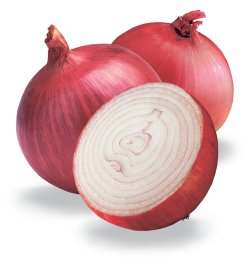
- Onions for Your Heart
- Garlic and Heart Disease
- Heart Healthy Nuts
- Olive Oil and Heart Disease
- Treat Heart Disease with Fruits and Vegetables
- Wine for Heart Disease
- Green Tea for Heart Disease
Supplements That Might Help You Fight
Heart Disease
|
|
|
References:
1) Black's Medical Dictionary, (2009) 42nd Edition, London: Black Publishers Limited
2) Carper, J., (1993) Food Your Miracle Medicine: How Food Can Prevent and Treat Over 100 Symptoms and Problems, New York: HarperCollins Publishers Inc.
3) Duke, J.A., Ph.D.,(2008) The Green Pharmacy Guide to Healing Foods: Proven Natural Remedies to Treat and Prevent More Than 80 Common Health Concerns, New York; Rodale.
4) McLannahan, H., (2004) Body Systems, Milton Keynes: The Open University
Search for information on this site:
Receive Discover the Power of Healing Foods! Free
Newsletter
Supplements to Help You Fight Heart Disease
Even more effective than fish oil in preventing Heart Disease!
Nutrigold EPA Marine Fish Oil are
sourced from
ecologically clean seas and undergo selective absorption of pollutants like
heavy metals, dioxides and PCBs to ensure purity.
Nutrigold Magnesium Citrizorb®
provides 100mg elemental magnesium per
capsule in a highly bioavailable and bioactive organic citrate form.
Blend of natural botanicals including psyllium husk, fennel, garlic, inulin,
peppermint and papaya, L-Glutamine and Bifidobacteria
Homocysteine is a
common amino acid in your blood. You get it mostly from eating meat.
High levels of it are linked to early development of heart disease.
Nutrigold Superlec Plus is a natural lecithin powder, delivering high
potency phosphatidyl choline (32%) and plant sterols including
beta-sitosterol.



New! Comments
Have your say about what you just read! Leave me a comment in the box below.